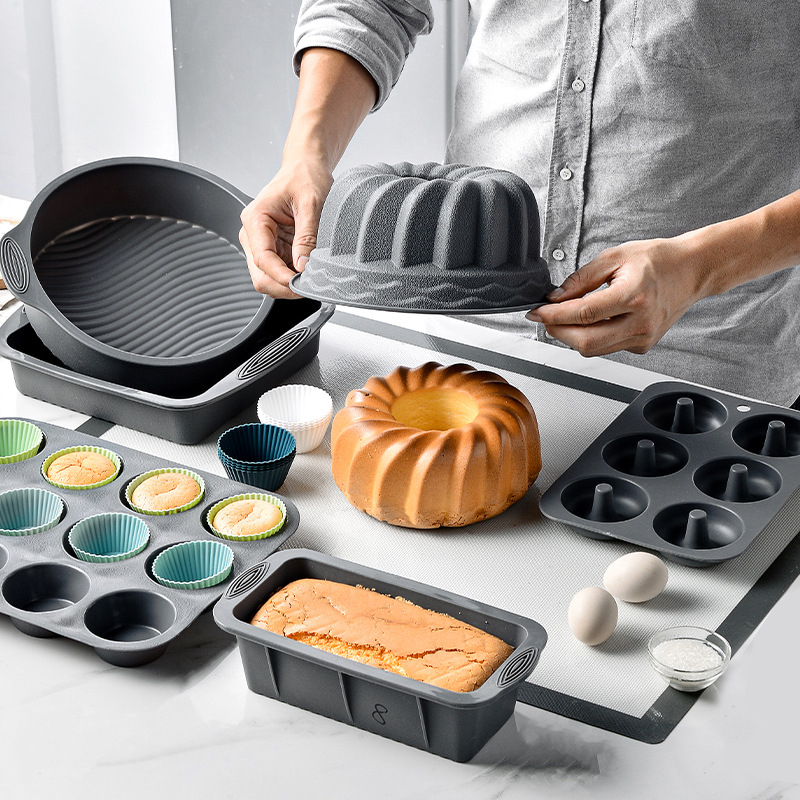
Silicone Bakeware: The Basics You Need to Know
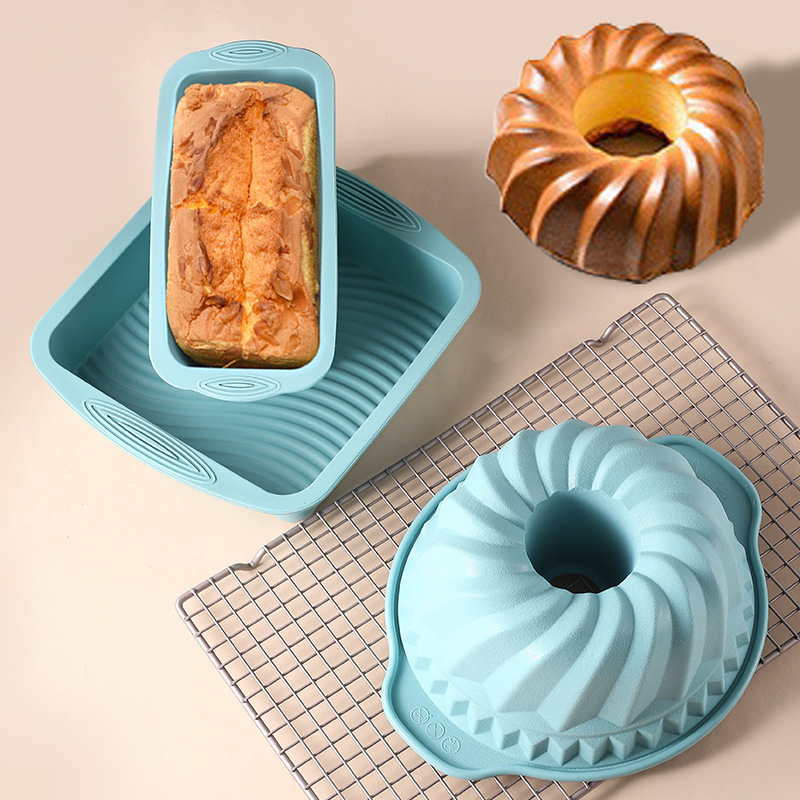 While many home chefs have embraced this newest line of bakeware products, some have been slightly reluctant to depart from more traditional metal or glass baking pans. That's because these old standards have stood the test of time, whereas a silicone pan does have a slight learning curve. And you should know up front that silicone bakeware, in general, is getting mixed reviews. It works for some and not for others.
Pros of Silicone Bakeware
If you haven't yet ventured out to try one of these, you may be pleasantly surprised. Start out slowly at first, with spatulas which are very economical—no big risk there. They were rewarded with a spot in the handy main tool holder. Goodbye, rubber. Hello, silicone spatulas!
Pans heat quickly and bake evenly with no burnt or dark edges or bottom.
Removal from pans is super easy—a slight twist or gently pulling on the sides and roll out your baking.
They're freezer, refrigerator, microwave, dishwasher, and oven safe.
Bake, store, freeze, and reheat right in the pans.
No rusting or staining.
No need to alter your batter or temperature—bake as usual.
Cleanup is a breeze.
Lightweight and perfect for a camper or RV.
Storing is easy—although they do not easily nest, no special attention is required and they retain their shape.
Tips for Successful Baking
Follow the manufacturer's maximum heat ratings.
Pans are hot to touch while in the oven but cool down quickly; use hot pads to remove them.
Using a cookie sheet underneath will provide stability even for smaller pans.
Always use a metal baker's sheet or specially designed sled or rack underneath wider or larger silicone pans.
Place filled silicone cups either on a metal muffin tin or baking sheet for stability during baking.
Wash pans thoroughly before first use. Warm soap and water clean-up is easy.
Warranties tend to vary with bakeware brands.
Do not use knives or sharp objects—they could damage your pans.
Never use on an open flame or on stovetop burners.
There's a multitude of uses for silicone bakeware from specialty cakes to everyday breads and muffins. You can freeze conversation-inspiring shaped ice cubes for the punch bowl or use the pans for your favorite gelled salads or desserts.
Cons of Silicone Bakeware
Know that not all silicone bakeware performs exactly the same. Some bakers have greased or not greased and still did not have good results. Others found that baking times needed to be adjusted or results were not fully cooked in the middle.
Because silicone bakeware has earned a sketchy reputation and basically a love it or hate it relationship, don't be surprised if you have to try more than one baking pan or brand before you enjoy this bakeware. As for utensils, you will not likely ever go back to plastic or rubber, silicone is that good where heat is present and it's also kind to non-stick, so ideal tools for this easy to clean cooking surface.
Silicone bakeware can add unwanted substances to cookies and cakes, consumer groups find